How Slot Games Continue to Evolve Across Digital Platforms
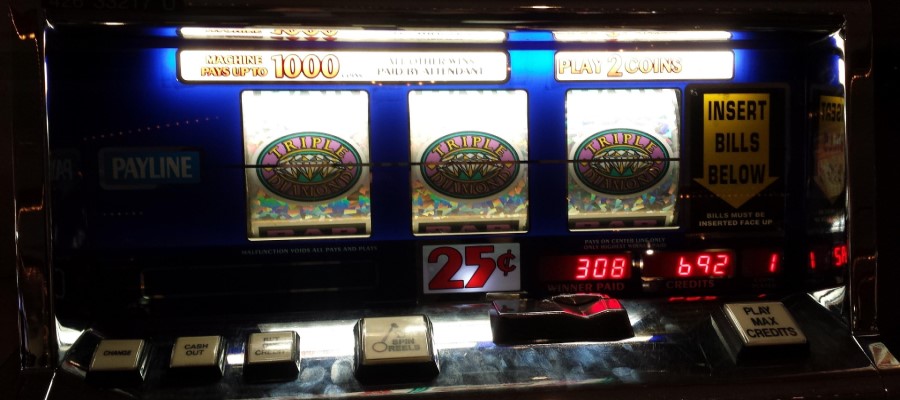
The leap from the old-school, clunky “one-armed bandits” of the early 1900s to the sleek, pixel-perfect wonders we see today is one of the most remarkable transformations in the entertainment world. For years, playing a slot machine meant dealing with physical levers, spinning metal reels, and the satisfying clink of coins. But then came the digital revolution, which completely broke down those physical barriers, turning slots into high-tech, multi-sensory experiences. Nowadays, a modern crypto casino is like the ultimate playground for this evolution, where cutting-edge software and blockchain technology come together to give players a level of transparency and engagement that was once unimaginable. This change isn’t just about shifting from the casino floor to a smartphone; it’s about completely rethinking what a game of chance can be.
As slot games continue to spread across various digital platforms, the emphasis has shifted to crafting a smooth and immersive user experience. Players are no longer held back by the limitations of their local hardware or the operating systems on their devices. The industry has entered a phase of “universal accessibility,” where a top-notch gaming session can be enjoyed on a browser, a dedicated app, or even through social media. Leading platforms have taken the lead in this approach, making sure that moving from a desktop to a mobile interface feels seamless in terms of speed, graphics, and features. This cross-platform fluidity is what defines this era, allowing the thrill of the spin to stay consistent no matter where or how a player chooses to join in.
The Technological Backbone of Modern Slots
The journey of slot games is fundamentally tied to the evolution of software. Back in the early days of online gaming, players often faced frustratingly slow loading times and had to rely on external plugins like Flash. But then came HTML5, and it was a game changer, enabling developers to create games that could run smoothly in any modern web browser.
From RNGs to Provably Fair Systems
Every digital slot game depends on a Random Number Generator (RNG) to guarantee that each spin is both independent and fair. However, as the digital world has evolved, players have started to expect more than just a simple assurance of fairness; they want tangible proof.
- Traditional RNG: This method employs intricate algorithms to generate a sequence of numbers that align with reel symbols.
- Blockchain Integration: Nowadays, some platforms are adopting “Provably Fair” algorithms.
- Smart Contracts: These innovative contracts empower players to verify the results of a spin on a public ledger, removing the mystery often associated with traditional software.
Mobile-First Design
By 2026, most slot traffic is expected to come from mobile devices. This shift has led to a “mobile-first” approach, where games are crafted for vertical screens and touch interactions before even being considered for desktop use. This includes features like “one-thumb” navigation and adaptive user interfaces that adjust based on the device’s processing capabilities.
Innovative Gameplay Mechanics: Beyond the 5×3 Grid
The visual changes in slot machines are clear, but the real magic happens with their mechanical advancements. The classic 5-reel, 3-row setup is just one of the many exciting options players can choose from these days.
- Megaways™ and Infinite Paylines: This innovative feature offers players hundreds of thousands of ways to win with just one spin, making it a must-have in the online slot scene.
- Cluster Pays: Forget about traditional paylines; now, wins come from groups of matching symbols, similar to what you’d find in popular mobile puzzle games.
- Bonus Buys and Feature Drops: Understanding that today’s players are all about efficiency, many games now let you skip the base game and jump straight into the thrilling bonus rounds.
- Gamification Layers: Modern slots often incorporate RPG elements, allowing you to level up your avatar, complete “missions,” or unlock a narrative map as you play.
Comparison of Slot Eras: A Digital Timeline
To really appreciate how far we’ve come, it’s worth taking a look at the evolution of technology and features throughout the different eras of slot gaming.
| Feature | Mechanical Era (1900s-1970s) | Early Digital Era (1990s-2010s) | Modern Digital Era (2020s-Present) |
| Reel Type | Physical metal drums | 2D Sprites / Flash | 3D High-Definition / HTML5 |
| Paylines | 1 to 5 | 10 to 50 | 100,000+ (Megaways) |
| Fairness | Physical inspections | Audited RNG software | Provably Fair / Blockchain |
| Accessibility | Land-based only | PC / Downloadable clients | Mobile-first / Cross-platform |
| Social Features | None | Chat rooms | Live tournaments / Global leaderboards |
The Rise of Visual and Narrative Depth
Today’s slot games are starting to feel more like blockbuster movies or top-tier video games. With the addition of 3D graphics and orchestral soundtracks, what used to be just a simple spin of the reels has transformed into an immersive storytelling experience.
Storytelling as a Retention Tool
Game developers have moved beyond just creating “fruit machines.” They’re crafting entire worlds. Whether you’re exploring ancient Egyptian tombs or navigating a futuristic cyberpunk city, the story keeps players hooked. Stunning graphics and intricate animations activate not only during wins but also during “near misses” and transitions between different game phases, ensuring a constant level of sensory excitement.
Virtual and Augmented Reality (VR/AR)
Though still in the early days of widespread use, VR and AR are set to revolutionize digital slot platforms. Picture yourself strolling through a virtual lobby, mingling with other players, and sitting down at a 3D slot machine that surrounds you in a 360-degree space. Meanwhile, AR lets players project a “holographic” slot machine right onto their coffee table using their smartphone camera.
The Social and Competitive Layer
One of the biggest shifts we’re seeing in the world of slot games is the move from a solo experience to a more social one. Digital platforms are now packed with features that really bring players together:
- Real-Time Tournaments: You can now compete with hundreds of other players at the same time, racing up the leaderboard for a chance to win a shared prize pool.
- Social Sharing: With handy “share” buttons, players can easily post their biggest wins on social media or community forums, celebrating their successes with friends and followers.
- Streaming Integration: Many platforms are designed to be “stream-friendly,” making it easy for influencers on sites like Twitch or Kick to engage with their audience while they play.
Conclusion: The Future of the Spin
As we look ahead to the rest of the decade, it’s clear that the evolution of slot games is just getting started. Thanks to the integration of Artificial Intelligence, we can look forward to games that adjust their difficulty and bonus frequency based on each player’s unique style in real-time. The shift from physical machines to the digital space hasn’t just kept the thrill of slot games alive; it’s taken it to a whole new level with incredible innovation, security, and community involvement.
Whether you’re into the classic look or the latest blockchain-based titles, the digital evolution guarantees there’s always something exciting just around the corner.